By Mahshid F. Hager
“Their country stinks.”
“They’re garbage.”
“We don’t want them here.”
When language like this is spoken by the president of the United States, it is not just a political position. It is psychological warfare against millions of people who already carry unimaginable histories of threat, loss and displacement. As a therapist who works with refugees, and as someone who once was a refugee, I have seen the silent, devastating impact of language like this.
Most immigrants I know have done everything by the book. They filled out forms correctly, followed every rule, waited for appointments, repeated their stories to strangers who held the power to decide their fate. They complied with systems that were confusing, slow, and at times demeaning. They worked, they studied, they raised their children, they served their communities. And still, many walk through the world with a quiet fear: What if safety is temporary? What if one shift in politics makes me unwanted again?
That fear is not imagined. It lives in the body.
It shapes sleep, appetite, breath, the ability to trust. It shows up as hypervigilance, always scanning for signs of danger, because for many, danger once meant war, persecution, imprisonment, or the threat of losing a loved one overnight. When a country finally offers refuge, the nervous system works overtime to believe it. To settle. To soften. To rebuild.
And then, from the highest office of the land, they hear:
“You are garbage.”
“We don’t want you here.”
This does something profound. It destabilizes the fragile sense of belonging that many immigrants have worked years to cultivate. It tells them that their acceptance here was conditional after all, that safety can be revoked at any moment.
But it doesn’t stop there. When leaders dehumanize, everyday people interpret it as permission. Permission to discriminate. Permission to harass. Permission to treat immigrants as less deserving of rights, compassion, safety and, in some cases, even life. Violent rhetoric creates a climate where violence becomes normalized.
I have sat with clients who flinch when someone raises their voice behind them in a grocery store. I have heard the tremor in a mother’s voice as she wonders if her neighbors will turn on her because of the words they see echoed on TV. I know families who rehearse “emergency plans”, not because of earthquakes or fires, but because of politics. I’m not being dramatic. This is generational trauma stirred awake.
To those who insist that words are just words: in my field, we know better. Words shape nervous systems, relationships, safety, identity. Words from authority figures can soothe or shatter. And words that dehumanize can, and historically have, paved the way for atrocities.
But this is not a story only about harm. It is also a story about extraordinary resilience.
Immigrants continue to show up every single day, in our schools, hospitals, farms, factories, labs, clinics and offices. We are entrepreneurs, caregivers, healers, innovators. We are artists, engineers, peace-builders, volunteers. We are the people who rebuild life from ashes because we’ve already learned how. We know how to survive uncertainty. We know how to adapt. We know how to dream even when the world tells us not to. And the remarkable thing is that we do this while holding fear in one hand and hope in the other. That is a kind of courage many will never fully understand.
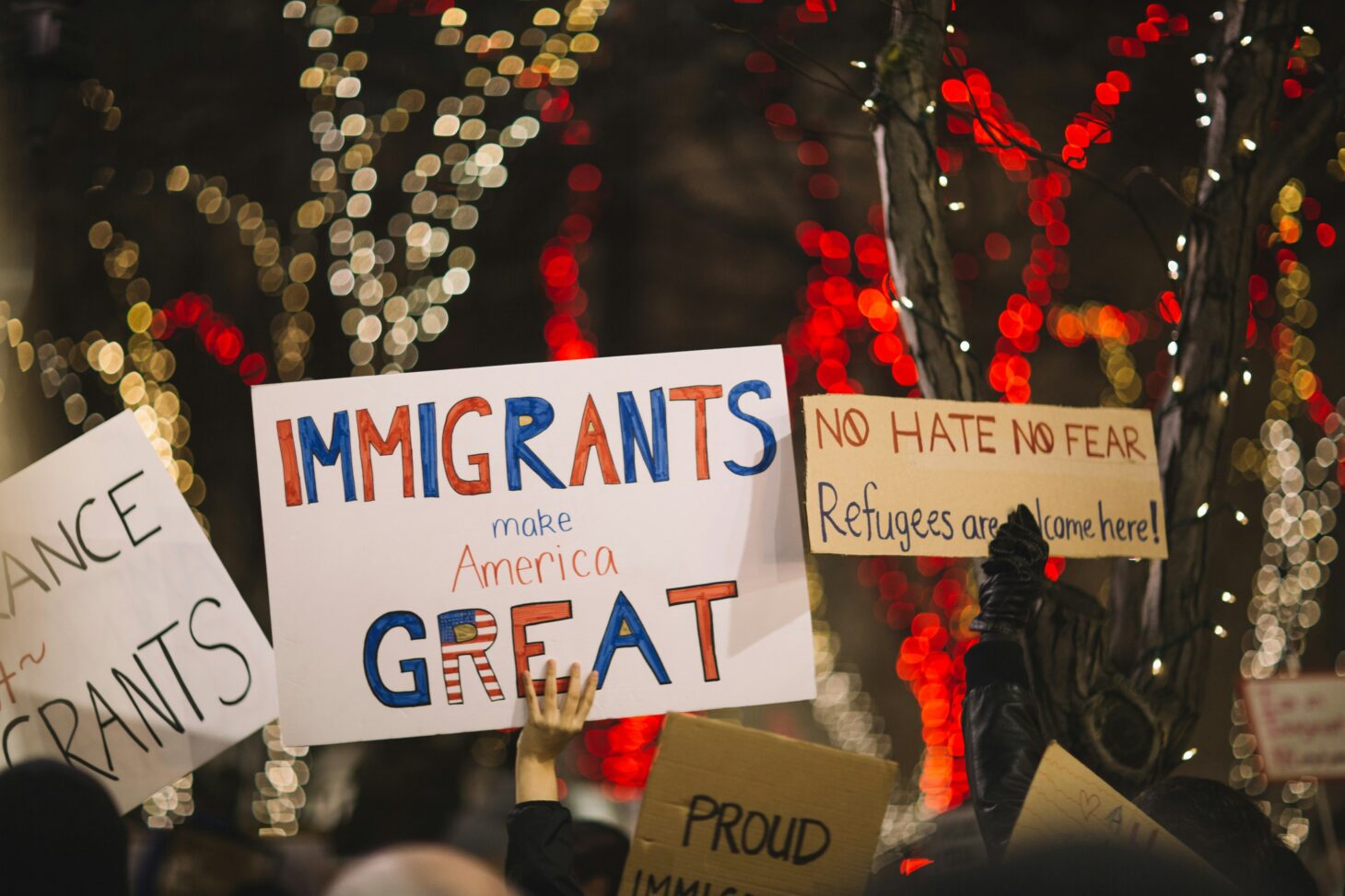
To every immigrant and refugee living in this country: your presence is not an accident. Your contribution is not invisible. Your story carries dignity, no matter who tries to strip it away. You are part of the fabric of this nation, not because you begged for space, but because you built it with your labor, your resilience and your relentless will to live fully.
You are not defined by anyone’s contempt. You are defined by the quiet, steady way you keep going, showing up to life again and again, even when the world makes it harder than it should be.
And for that, I honor you.